
Tsavo west national park
Tsavo west national park Overview
There are places in Africa that simply swallow you. Not gently, not gradually — but all at once, the moment the gate closes behind your vehicle and the road ahead disappears into a wilderness so vast and so indifferent to human presence that your sense of scale resets completely. Tsavo West National Park is one of those places.
This is the Kenya that existed before the lodges. Ancient, volcanic, and spectacularly unpolished — a landscape where crystal-clear water rises impossibly from lava rock in the middle of a semi-arid wilderness, where black obsidian lava flows from an eruption two centuries ago still look fresh enough to burn, and where elephants have roamed the same routes for ten thousand years without interruption. Tsavo West does not perform for visitors. It simply exists — on its own terms, at its own scale, with a raw magnificence that no photograph has ever fully captured.
Covering 9,065 square kilometres, Tsavo West forms the western half of the greater Tsavo ecosystem — together with Tsavo East, the combined parks constitute 21,812 km², making them Kenya’s largest protected area and one of the largest national parks on Earth. But size alone does not explain Tsavo West’s character. What sets it apart from every other park in Kenya is its extraordinary geological drama: the Chyulu Hills rising green and implausible from the flat Taru Desert, the Shetani lava flows spreading black and impassable across the savannah, Mzima Springs pouring millions of litres of glacial water from beneath volcanic rock every single day. This is a landscape still being shaped by forces that predate the earliest human footprint on this continent.
And then there is the wildlife. The Big Five. A rhinoceros sanctuary. Six hundred species of bird. Lions that carry the maneless genetic signature of their ancient Tsavo ancestors. And an elephant population — smaller-bodied and more secretive than the giants of Amboseli — that moves through this landscape with the quiet authority of animals that have never, in all recorded history, needed to negotiate space with anyone.
9,065Area in km² — Kenya’s 2nd largest single park
1948Year established as a national park
600+Bird species recorded
225MLitres of water flowing daily from Mzima Springs
~240kmDistance from Nairobi by road
Big FiveAll resident year-round
Tsavo west national park Location
Tsavo West National Park sits in south-eastern Kenya, straddling the Nairobi–Mombasa corridor between the towns of Mtito Andei to the north and Voi to the east. It shares its eastern boundary with Tsavo East National Park — the two parks separated by the Nairobi–Mombasa highway (A109) and the standard gauge railway that runs parallel to it. To the west, the Chyulu Hills National Park forms a natural extension of the protected ecosystem. To the south, the park extends to the Tanzanian border at Lake Jipe — a permanent, bird-rich lake shared between the two countries.
The park occupies a zone of extraordinary topographic diversity. The northern section, accessible from the Mtito Andei gate, is dominated by semi-arid Commiphora-Acacia bushland and the flat Taru Desert floor. Moving south and west, the landscape rises dramatically through volcanic features — the Chyulu Hills reaching 2,188 metres, the youngest mountain range in Africa, draped in moss forest and mist. Between these two extremes, the Tsavo River and its tributaries carve broad valleys of riverine woodland through the thornbush, creating the wildlife corridors that concentrate animals and make game viewing here so productive.
Tsavo West's geographical position — directly on the Nairobi–Mombasa road — makes it the most logistically accessible large wild park in Kenya. You do not detour to reach it. You simply stop. The Mtito Andei gate sits 240 kilometres from Nairobi and 230 kilometres from Mombasa, making Tsavo West the ideal centrepiece of Kenya's most natural safari circuit: start at Nairobi, drive through Tsavo, end at the coast.
Park Gates and Boundaries
- Mtito Andei Gate (main gate): On the A109 highway, 240 km from Nairobi. Primary access point for visitors from Nairobi. Named after the small town and railway stop at its northern edge.
- Chyulu Gate: Northern access point via the Chyulu Hills road, connecting to the Chyulu Hills National Park and Ol Donyo Lodge in the Amboseli ecosystem.
- Tsavo Gate (Maktau): Southern access point near the railway town of Maktau — primary access for visitors from the coast road south of Voi.
- Ziwani Gate: South-western access near the Lake Jipe area — approached via the Taveta road from the Tanzanian border corridor.
- Jipe Gate: Specialist access for Lake Jipe boat safaris and the Tanzania border zone — arrange through your lodge or Denki Travels in advance.
Weather and climate in Tsavo west national park
Tsavo West's climate is shaped by its semi-arid lowland character and its extraordinary range in altitude. The main Commiphora-Acacia bushland sits at 600–900 metres above sea level — significantly lower and hotter than the Masai Mara or Amboseli — while the Chyulu Hills rise to 2,188 metres and experience cool, mist-wreathed conditions that feel like a different country. Understanding this altitudinal range is essential for packing correctly and setting realistic expectations.
In the lowland savannah around Kilaguni and Mzima Springs, daytime temperatures between June and October are a dry 28–34°C — warm but manageable with early morning and late afternoon game drives. January to March is hotter still, with midday temperatures regularly exceeding 36°C. The key discipline is the same across all Tsavo seasons: dawn drives and late-afternoon drives, with a midday rest in camp. Any guide suggesting a midday game drive at Tsavo in the dry season is not managing your experience — they are enduring it with you.
| Month | Avg. Daytime | Avg. Night | Rainfall | Conditions |
|---|---|---|---|---|
| January | 34–38°C | 20–22°C | Very low | Very Hot Dry, clear, excellent game viewing |
| February | 34–38°C | 20–23°C | Very low | Very Hot Peak heat, superb visibility, animals at waterholes |
| March | 30–35°C | 20–22°C | Moderate | Long Rains Long rains begin — landscape greening fast |
| April | 28–32°C | 19–21°C | Heavy | Long Rains Wettest month — muddy tracks, lush green scenery |
| May | 28–32°C | 18–21°C | Moderate | Long Rains Rains easing, fresh green vegetation, excellent birding |
| June | 28–32°C | 17–20°C | Very low | Warm & Dry Dry season begins — ideal conditions |
| July | 27–31°C | 16–19°C | Very low | Warm & Dry Excellent game viewing, cool evenings, peak season |
| August | 28–32°C | 17–20°C | Very low | Warm & Dry Outstanding — low vegetation, animals at waterholes |
| September | 30–34°C | 18–21°C | Low | Warm & Dry Excellent — rising temperature, very productive drives |
| October | 32–36°C | 19–22°C | Moderate | Short Rains Short rains begin — landscape freshens, birding peaks |
| November | 30–34°C | 19–22°C | Moderate | Short Rains Green, lush, dramatic light — beautiful photography |
| December | 30–34°C | 20–22°C | Low-Mod | Easing Rains easing — good transition into the new year dry season |
Packing for Tsavo West's Climate
- Lightweight, breathable clothing: Long-sleeved shirts and trousers in neutral colours (khaki, beige, olive). Tsavo's thorny vegetation makes shorts impractical outside the vehicle.
- Sun protection: Factor 50+ sunscreen is essential year-round — game drive vehicles have an open roof and the equatorial sun at Tsavo's lower altitude is intense. A wide-brimmed hat is not optional.
- Footwear: Closed-toe walking shoes for any time outside the vehicle. Sandals are not appropriate in Tsavo's thorny terrain.
- Evenings: A light fleece for evenings in the dry season (June–August) when temperatures drop to 16–18°C after dark — significantly cooler than the daytime heat suggests.
- Dust: Tsavo's red-tinged soil creates a distinctive dust on dry tracks. A lens cloth for cameras, a face buff for open game drives, and ziploc bags for electronics are recommended.
Tsavo guide tip: The Chyulu Hills section of the ecosystem is dramatically cooler than the main park floor. If your itinerary includes Ol Donyo Lodge or access via the Chyulu Gate, add an extra layer for morning excursions — mist on the Chyulu Hills at 2,000 metres is a genuinely cold experience compared to the 35°C plains below.
Tsavo west national park Wildlife

Tsavo West's wildlife roster is anchored by the Big Five — all five species are resident year-round and regularly encountered on full-day game drive circuits. But the park's most distinctive character comes not from what it has in common with other Kenyan parks but from what makes it different: its lion population carries the genetic signature of the historically maneless Tsavo lion; its elephants are smaller-bodied and more secretive than the Amboseli giants; and its rhino sanctuary protects one of Kenya's most significant black rhinoceros populations behind a perimeter fence that keeps the animals secure and the sighting probability high.
The Tsavo ecosystem also supports over 600 bird species — one of the highest counts of any park in Kenya. The Ngulia Lodge, perched on a rocky escarpment in the park's northern section, is one of Africa's most important migratory bird ringing stations, recording millions of Palearctic migrants that pass through on their southern journey between October and December.
Lion
Tsavo's lions are historically notable for producing maneless or sparse-maned males — a genetic trait linked to the park's high temperatures and thorny terrain. Multiple resident prides. Most active dawn and dusk across the open Commiphora savannah.
Leopard
Dense riverine woodland along the Tsavo River harbours a significant leopard population. Most active at dusk and dawn. Night game drives from lodges with spotlight vehicles substantially increase sighting probability.
Elephant
Tsavo West's elephants are generally smaller-bodied than Amboseli's famous herds. They frequent the Mzima Springs area and river corridors. Less accustomed to vehicles than Amboseli animals — encounters can feel wilder and more charged.
Black Rhino Sanctuary
The Ngulia Rhino Sanctuary inside Tsavo West protects Kenya's secretive black rhino population. Access requires arrangement through the park or your Denki Travels guide. The encounter, when it happens, is deeply significant.
Buffalo
Very large herds — sometimes several hundred animals — move through the park's savannah. Old dagga boys are a common sighting near permanent water sources. Extremely photogenic against Tsavo's red landscape.
Nile Crocodile
The Tsavo River and the Mzima Springs pool host some of the largest Nile crocodiles in East Africa. Observable from the underwater viewing chamber at Mzima Springs — an extraordinary close encounter from safety.
Hippopotamus
Large hippo pods inhabit the Mzima Springs main pool and the Tsavo River. The Mzima Springs hippos are habituated to the viewing chamber and can be observed in the water at very close range.
Cheetah
Open savannah plains near Kilaguni and the Kanderi area support resident cheetah. Sightings are less frequent than the Mara but the open terrain means longer, unobstructed observations when animals are located.
Masai Giraffe
The Masai giraffe — Kenya's native subspecies — browses the acacia canopy throughout Tsavo West. Particularly photogenic against the Chyulu Hills backdrop in the northern section of the park.
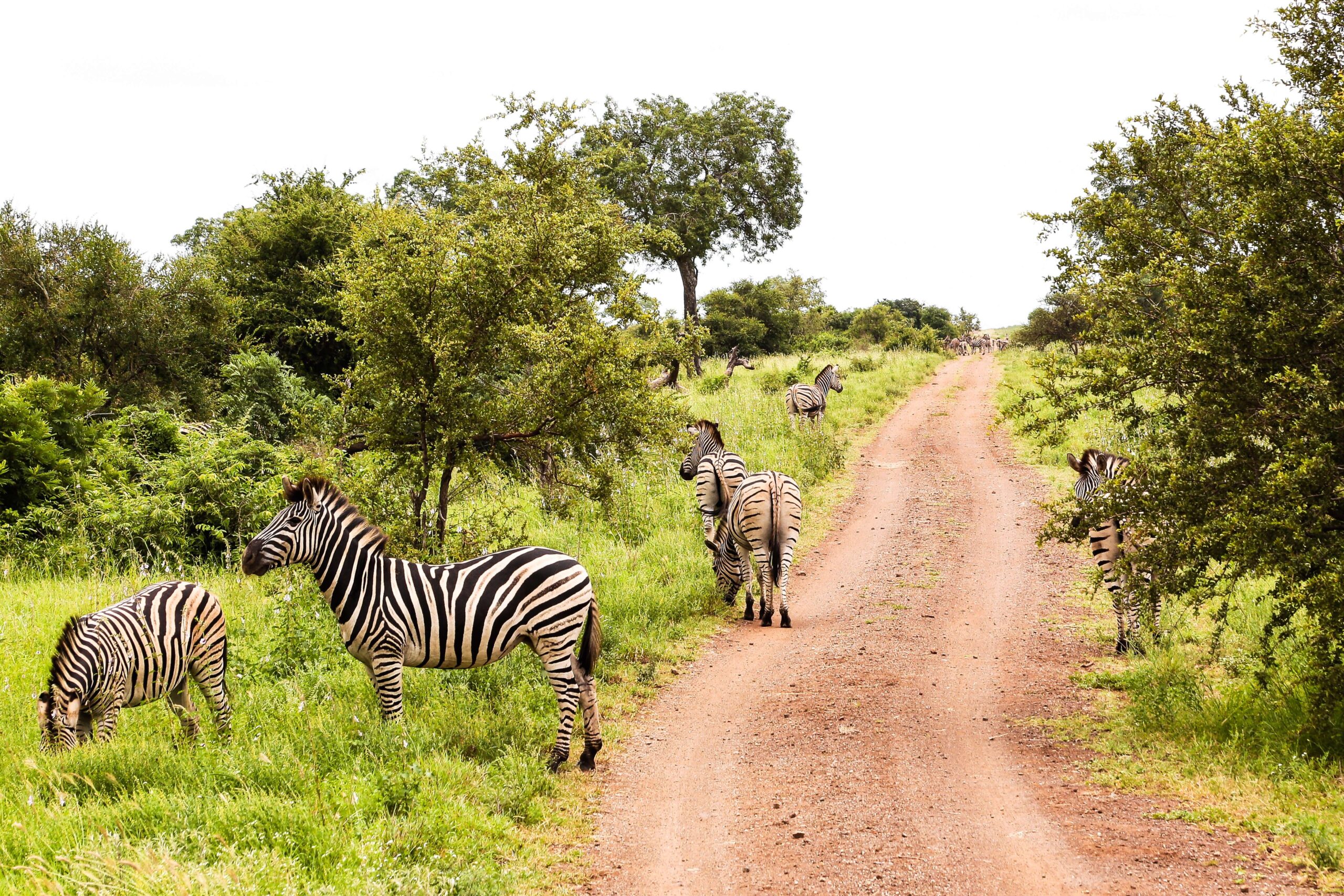
Common Zebra
Large herds throughout the open savannah. Zebra numbers increase significantly in the dry season when animals concentrate around permanent water at Mzima Springs and the Tsavo River corridor.
African Wild Dog Occasional
Packs move through the Tsavo ecosystem from neighbouring community areas. Sightings are genuinely rare and deeply exciting — always the most anticipated radio call of any safari day. Report immediately to your guide if you see tracks.
Birds (600+ spp.)Exceptional
One of Kenya's highest bird counts. Ngulia Lodge is a world-famous ringing station for Palearctic migrants (Oct–Dec). Resident highlights include the Von der Decken's hornbill, yellow-billed hornbill, Somali bee-eater, and Fischer's starling.
On Tsavo's maneless lions: The famous Tsavo Man-Eaters of 1898 — a pair of lions that killed up to 135 railway workers during construction of the Uganda Railway — were both maneless males. Their skulls are preserved at the Field Museum in Chicago. The maneless trait persists in a portion of Tsavo's present-day lion population and is linked to the high ambient temperatures and the thorny Commiphora vegetation that makes mane maintenance energetically costly. When your guide points out a maneless male in Tsavo, you are looking at a genetic echo of that history.
Best time to visit Tsavo west national park
June – October
- Dry season — vegetation at its lowest
- Maximum game viewing visibility
- Animals concentrate at Mzima Springs and the Tsavo River
- Temperatures 27–33°C — warm but manageable
- Dust can be thick on tracks — buff recommended
- Coincides with UK and European summer holidays
- Book lodges 3–5 months ahead for this period
January – February
- Second dry season — hot and clear
- Temperatures 34–38°C midday — very hot
- Dawn game drives essential — most productive wildlife window
- Very high elephant concentrations at waterholes
- Exceptional predator activity at dawn
- Fewer visitors than the June–October peak
- Combines well with Amboseli and the coast
November – December
- Short rains — usually brief afternoon showers
- Landscape transforms to vivid green within days of first rain
- Peak Ngulia birdwatching — Palearctic migrants arrive Oct–Dec
- Dramatic photography light — afternoon clouds and shafts of sunlight
- Temperature eases from peak — more comfortable midday
- Moderate lodge rates
March – May
- Long rains — some tracks can become muddy
- 20–35% lodge discounts on peak rates
- Extraordinary green lush landscape
- Newborn animals — calving season across all species
- Very few visitors — intimate park experience
- Mzima Springs at its most spectacular — maximum flow
- Morning game drives always excellent regardless of afternoon rain
Important: Tsavo West's low-altitude interior is significantly hotter than Kenya's highland parks. Midday temperatures in January–February regularly exceed 36°C. Game drives during these months must be planned exclusively around the early morning (06:00–10:00) and late afternoon (16:30–18:30) windows. Any itinerary that schedules a midday game drive in Tsavo in the high heat months is not properly managed — raise this with your operator at booking.
Attractions in Tsavo west national park
Tsavo West offers a more diverse activity menu than most visitors initially expect. Beyond the standard morning and afternoon game drives — which are themselves exceptional — the park's unique geological features, rhino sanctuary, and remote Lake Jipe section create opportunities for experiences that are simply not available in Kenya's more mainstream parks.
Morning & Afternoon Game Drives
The foundation of every Tsavo West safari. Denki Travels structures all game drives around the productive windows: 06:00–10:00 morning drives when predators are active and temperatures are tolerable, and 16:00–18:30 late afternoon drives when animals move to water before dark. Full-day drives with a packed bush lunch allow coverage of the park's more remote areas.
- Private 4×4 Land Cruiser with pop-up roof — your vehicle, your schedule
- Dawn drives (06:00 departure) are essential — lion and leopard are most active in the first two hours of light
- Full-day game drives cover Mzima Springs, Shetani lava, and the Ngulia escarpment in a single day
- Avoid midday in the hot dry season — midday heat suppresses wildlife activity and makes the experience uncomfortable
💧Mzima Springs Walk
A self-guided walking circuit follows the Mzima Springs channel through shade forest, with a ranger escort available at the gate. The underwater viewing chamber is the centrepiece — a concrete bunker with glass panels below the waterline of the main hippo pool. Hippos drift past at eye level. Crocodiles cruise overhead. It remains one of Kenya's most disorienting and compelling wildlife experiences.
- 30–45 minute circuit along the spring channel boardwalk
- Underwater chamber viewings: arrive before 10:00 for the best hippo activity
- Ranger escort available and recommended from the springs gate
- Photography tip: bring a wide-angle lens for the underground chamber — telephoto is redundant here
Ngulia Rhino Sanctuary Visit
A specialist wildlife encounter that must be arranged in advance. Entry into the fenced rhino sanctuary requires co-ordination with the KWS ranger team. Once inside, the search for black rhino is conducted with genuine ranger tracking expertise — monitoring footprints, dung freshness, and territorial markers to locate individuals. The encounter, when it comes, is close-range and completely wild.
- Pre-arrange through Denki Travels — minimum 24 hours before the visit
- KWS armed ranger accompanies the vehicle throughout
- Best in dry season (Jun–Oct, Jan–Feb) when vegetation is lowest
- Allow 2–3 hours for a thorough sanctuary game drive
Chaimu Crater Hike
The 30-minute hike to the rim of Chaimu Crater rewards with one of Tsavo West's most dramatic panoramas — the black lava fields stretching below, the Chyulu Hills to the north, and on exceptionally clear mornings, the faint snow-capped outline of Kilimanjaro above the Tanzanian horizon. The crater's youngest geological age (200 years) makes it a fascinating stop for anyone with even a passing interest in Earth sciences.
- 30–40 minute hike to the crater rim — moderate difficulty
- Wear sturdy closed-toe shoes — lava edges are razor-sharp
- Go before 09:00 — black lava absorbs heat rapidly and midday climbing is unpleasant
- A ranger guide is recommended — the route is not always obvious from below
Lake Jipe Boat Safari
A complete change of pace from the standard land-based game drive — Lake Jipe's boat safari drifts through papyrus channels with hippos surfacing beside the hull and a bird diversity that is entirely distinct from the dry savannah of the park interior. The lake's remote position, combined with the extraordinary Kilimanjaro backdrop across the Tanzanian border, makes this one of Tsavo West's most rewarding half-day excursions.
- Open flat-bottomed boat through reed channels and open water
- Hippos at very close range — guide positions the boat safely
- 200+ bird species including Pel's fishing owl (rare), African jacana, and kingfisher species
- Allow a full half-day — Lake Jipe is 2–3 hours from Kilaguni Lodge by road
- Best light for photography: early morning, before the lake mist lifts
Ngulia Birdwatching
Tsavo West is one of Kenya's outstanding birding destinations year-round — but during the October–December Palearctic migration, the Ngulia escarpment area becomes one of the most extraordinary birdwatching locations in Africa. Millions of birds funnel through the mist forest on the escarpment edge, and the Ngulia ringing station offers a chance to observe the research programme at close hand.
- 600+ resident species year-round throughout Tsavo West
- Palearctic migration peak: October–December at Ngulia escarpment
- Resident highlights: Von der Decken's hornbill, yellow-billed hornbill, Somali bee-eater, secretary bird
- Request a specialist birding guide through Denki Travels — available on advance booking
- Early morning drives (06:00–09:00) deliver the highest bird activity of the day
Waterhole Viewing from the Lodge
Kilaguni Serena Lodge — Kenya's first safari lodge — was deliberately built overlooking a waterhole, and every hour of the day brings something new to the trough in front of the dining terrace. This is game viewing that requires no vehicle, no early alarm, and no effort — simply a position on the terrace, a drink, and whatever the afternoon decides to deliver.
- Wildlife arrives throughout the day — elephants in the heat of midday, buffalo at dusk, leopard occasionally after dark
- The floodlit waterhole at night is particularly productive — arrange a night watch at the terrace
- Excellent low-light photography from the terrace elevation
- Available at Kilaguni Serena Lodge and Severin Safari Camp — both overlook permanent water sources
Guided Bush Walks
Walking in Tsavo West's thornbush — in a landscape with lion, leopard, and elephant — is available from select lodges with KWS ranger accompaniment. The experience of tracking wildlife on foot in one of Kenya's largest and most genuinely wild parks is markedly more intense than in smaller, more trafficked parks. The ranger reads the ground like a document; your guide translates. The bush reveals itself differently at walking pace.
- Armed KWS ranger escort throughout — mandatory and fully safety-briefed
- Focus on tracking, ecology, flora, and smaller wildlife overlooked from vehicles
- Duration 2–3 hours, departing 06:30 for the most productive conditions
- Available at Finch Hattons, Severin Safari Camp, and select other lodges — request through Denki Travels
Quick Reference — Tsavo West Activities
| Activity | Best Season | Duration | Pre-Arrange? | Rating |
|---|---|---|---|---|
| Morning Game Drive | Year-round · Peak Jun–Oct | 3–4 hours | Included in package | Must Do |
| Mzima Springs Walk | Year-round | 1–1.5 hours | No (park fee) | Must Do |
| Ngulia Rhino Sanctuary | Year-round · Best: Jan–Feb, Jun–Sep | 2–3 hours | Yes — 24 hrs advance | Must Do |
| Chaimu Crater Hike | Year-round · Early morning | 1–2 hours | Ranger recommended | Must Do |
| Full-Day Game Drive | Jun–Oct, Jan–Feb | Full day | Included in package | Highly Recommended |
| Lake Jipe Boat Safari | Year-round | Half day | Yes — advance booking | Highly Recommended |
| Ngulia Birdwatching | Oct–Dec (migration peak) | Dawn session | Specialist guide req. | Highly Recommended |
| Guided Bush Walk | Year-round · Dry season best | 2–3 hours | Yes — arrange at booking | Highly Recommended |
| Waterhole Viewing | Year-round | Anytime | No | Relaxed Option |
Tsavo west national park Safari
Tsavo West is Kenya's most dramatically wild park — and experiencing it properly requires a guide who knows it the way a guide who has spent years inside its borders knows it. Not from a map. Not from a briefing. From the specific tyre tracks at the Ngulia escarpment turn-off at 06:15 that tell him the lions were active on the road that morning before dawn. From the water level at Mzima Springs that tells him whether the hippos will be visible in the main pool or submerged in the side channel. From a decade of returning to the same park and learning something new every single time.
That knowledge is what Denki Travels brings to a Tsavo West safari. We have been operating in the Tsavo ecosystem for over ten years. We pre-arrange the rhino sanctuary visit before you land. We know which lodges have the best waterhole positions, which camp overlooks the most productive section of the Tsavo River, and how to design a two, three, or four-night Tsavo West itinerary that leaves nothing significant unseen. Contact us today — your itinerary and transparent quote will be with you within 24 hours.
