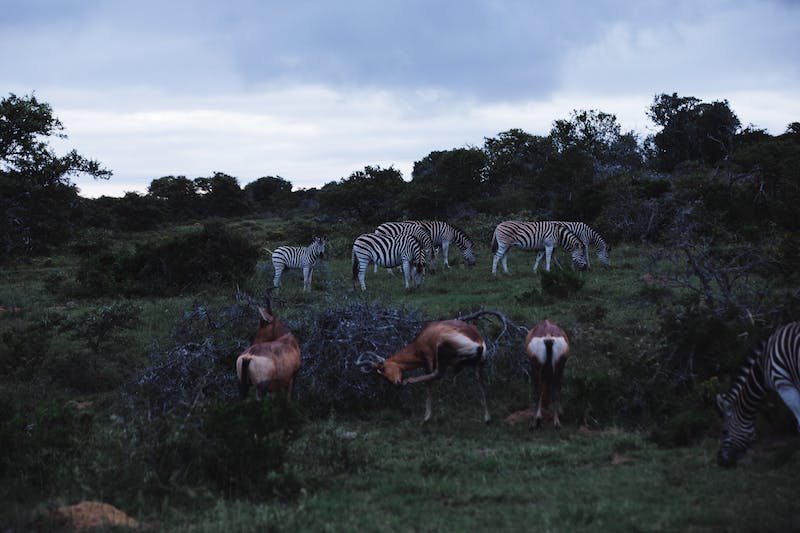
Samburu National Park
Samburu National Park Overview
Most Kenya safari itineraries go south and west — to the Masai Mara’s golden plains and Amboseli’s elephant kingdoms. The travellers who go north to Samburu come back different. Not because the wildlife is more dramatic than the Mara, but because the landscape is entirely its own thing: a semi-arid ancient world of doum palms, burning red soil, and the Ewaso Ng’iro River — “river of brown water” — running through it all like a lifeline for an ecosystem that has not changed in any meaningful way for thousands of years.
Samburu National Reserve sits 350 kilometres north of Nairobi, north of the equator, and it shows. The air is different. Hotter, drier, more insistent. The vegetation is Acacia tortilis and sparse thornbush rather than the Mara’s tall savannah grass. And the animals — some of the animals are found nowhere else in Kenya.
In 15 years of Kenyan safari work, Samburu remains the destination most likely to silence a vehicle full of experienced travellers. Not because of any single dramatic event, but because of the sustained, quiet intensity of a place that has remained functionally unchanged for millennia. This guide tells you everything you need to know to visit it properly.
The Special Five share their habitat with an extraordinary cast of other species. Lions — including impressive males with darker manes than their Mara cousins — are resident throughout. Leopards inhabit the dense riverine forest along the Ewaso Ng’iro with greater frequency than most parks of this size. African wild dogs make occasional appearances — always the most exciting wildlife radio call in the reserve. Elephant herds wade the river at dawn. Nile crocodiles, ancient and enormous, bask on the sandbanks. Hippos inhabit the deeper pools. And overhead, 350+ bird species make Samburu one of Kenya’s finest birding destinations.
Frequently Asked Questions
What is Samburu National Reserve famous for?
Samburu National Reserve is famous for the ‘Special Five’ — five wildlife species found only in northern Kenya that do not occur in the Masai Mara or Amboseli: the reticulated giraffe (the world’s most beautiful giraffe subspecies), Grevy’s zebra (the world’s most endangered wild equid), Beisa oryx, gerenuk (the giraffe-gazelle that stands bipedally to browse), and the Somali ostrich with its distinctive blue-grey neck colouration.
Where is Samburu National Reserve located?
Samburu National Reserve is located in northern Kenya, in Samburu County, approximately 350 kilometres north of Nairobi. It sits north of the equator along the Ewaso Ng’iro River. The reserve is adjacent to Buffalo Springs National Reserve and Shaba National Reserve, all three of which share the Ewaso Ng’iro River corridor and form one continuous ecosystem. The reserve is 165 square kilometres in area.
How do I get from Nairobi to Samburu?
There are two options for travelling from Nairobi to Samburu. By road: approximately 350 km via Nanyuki and Isiolo, taking 5–6 hours on mostly tarmac with the last 30 km on murram. By light aircraft: a 45-minute flight from Nairobi’s Wilson Airport with Safarilink or Air Kenya to Samburu airstrip. Multiple daily departures are available. The flight is strongly recommended for itineraries combining Samburu with the Masai Mara, as the road distance between the two parks is 8+ hours.
What is the best time to visit Samburu National Reserve?
The best time to visit Samburu is during the dry seasons: January to April and June to September. During these months, animals concentrate at the Ewaso Ng’iro River, vegetation is low, and wildlife viewing is exceptional. Temperatures reach 30–38°C in the dry season — game drives must be planned for early morning (06:00–10:00) and late afternoon (16:00–18:30) to avoid midday heat. The green season (October–December) brings rains that make roads challenging but fills the landscape with lush vegetation.
What animals can I see in Samburu National Reserve?
In addition to the Special Five, Samburu supports lion, leopard, cheetah, African wild dog (occasionally), elephant, Cape buffalo, hippo, Nile crocodile, and striped hyena. The reserve has an outstanding bird list of 350+ species including the Vulturine guineafowl, Von der Decken’s hornbill, Somali bee-eater, Martial eagle, and multiple species of hornbill and starling. The Ewaso Ng’iro River corridor concentrates game in the dry season for exceptional density viewing.
What is a reticulated giraffe and how is it different from other giraffes?
The reticulated giraffe (Giraffa camelopardalis reticulata) is Samburu’s most iconic species. It is distinguished by bold, geometric brown patches separated by bright white lines — the most striking coat pattern of any giraffe subspecies. Found only in northern Kenya, southern Ethiopia, and Somalia, Samburu and its surrounding areas hold the largest remaining wild population. It is generally taller and more solidly built than the Maasai giraffe seen in southern Kenya’s parks.
Is Samburu National Reserve safe to visit?
Yes. Samburu National Reserve is safe for tourists. The reserve is managed by the Kenya Wildlife Service (KWS) with armed rangers throughout. Denki Travels guides are experienced in Samburu and follow all safety protocols on game drives. The surrounding communities have a long history of welcoming tourists. Standard safari precautions apply: remain in the vehicle except at designated areas, follow your guide’s instructions, and do not approach wildlife on foot without a ranger.
How long should I stay in Samburu?
A minimum of two nights (two full game drive days) is recommended to appreciate Samburu’s unique wildlife and ecosystem. Three nights allows a more thorough exploration including Buffalo Springs National Reserve and the option of a cultural Samburu village visit. Samburu is most commonly combined with the Masai Mara in a northern-southern Kenya circuit — typically 3 nights Mara plus 2–3 nights Samburu — for the most comprehensive wildlife contrast available in East Africa.
What are the best lodges in Samburu?
Samburu’s lodge landscape ranges from luxury to budget. Luxury options include Sasaab Lodge (private conservancy, infinity pool, finest views in Samburu), Elephant Bedroom Camp (riverfront position, nightly elephant visits), and Saruni Samburu (exclusive hilltop camp). Mid-range properties include Samburu Intrepids (family-friendly, riverside, pool) and Samburu Sopa Lodge. Budget: Lion King Bush Camp (authentic tented camp, competitive rates). Denki Travels can book all grades with negotiated direct rates.
Can I do a walking safari in Samburu?
Yes — guided walking safaris are available in Samburu through the community conservancy areas adjacent to the national reserve (not inside the reserve itself where vehicles are required). The walk is accompanied by an armed KWS ranger and your guide, tracking wildlife by footprints, droppings, and broken vegetation. This is one of the most immersive wildlife experiences available in northern Kenya. Available from most conservancy lodges including Elephant Bedroom and Samburu Intrepids.
What is the difference between Samburu and Buffalo Springs reserves?
Samburu National Reserve (165 km²) and Buffalo Springs National Reserve (131 km²) share the Ewaso Ng’iro River and form a single contiguous ecosystem. Buffalo Springs, on the river’s southern bank, is less visited and has the highest concentration of Grevy’s zebra in the ecosystem — particularly near the Buffalo Springs themselves. Most lodges are on the Samburu side but game drives cross both reserves freely. Your single park permit covers both. Denki Travels guides explore both areas on full-day game drives.
How much does a Samburu safari cost?
A 3-night Samburu safari costs approximately $900–$1,400 per person for mid-range accommodation including all meals, game drives, and park fees, based on two people sharing. Luxury Samburu safaris (Sasaab, Elephant Bedroom) start from $600–$900 per person per night all-inclusive. The most affordable Samburu experience is a budget tented camp such as Lion King Bush Camp from $250pp per night all-inclusive. Add domestic flight costs ($150–$250 per person one-way from Wilson Airport) if flying in.
Do I need a visa to visit Samburu as a tourist?
Yes. All international tourists visiting Kenya — including Samburu — require a Kenya eVisa applied online at evisa.go.ke before travel. The fee is $51 per person. The visa covers the entire country and is not park-specific. Citizens of certain East African Community member states may enter Kenya visa-free. Check your specific nationality’s requirements before travel. Denki Travels advises all international clients on visa requirements at the time of booking.
What should I pack for a Samburu safari?
Samburu is significantly hotter than Kenya’s southern parks — pack accordingly. Essential items: lightweight neutral-coloured clothing (khaki, beige, olive — bright colours disturb wildlife), long-sleeved shirts and trousers for sun protection, a wide-brimmed hat and factor 50+ sunscreen, quality sunglasses, a light fleece or jacket for early morning drives when temperatures drop, comfortable walking shoes, insect repellent (DEET-based), anti-malarial tablets (prescribed 6 weeks before departure), and any personal medications in sufficient supply.
Is Samburu good for birdwatching?
Samburu is one of Kenya’s finest birding destinations — 350+ species have been recorded in the ecosystem. It is the best place in Kenya to see Samburu-specialist birds including the Vulturine guineafowl (the world’s most spectacular guineafowl), the Von der Decken’s hornbill, Somali bee-eater, African pygmy kingfisher, Martial eagle, and six species of sunbird. The Ewaso Ng’iro riverine forest also hosts exceptional waterbird diversity. A specialist birding guide can be arranged through Denki Travels on request.
Samburu National Park Location
Samburu National Reserve, Buffalo Springs National Reserve, and Shaba National Reserve together form a single contiguous ecosystem along the Ewaso Ng'iro River in Samburu County, northern Kenya. The river — which means "river of brown water" in the Samburu language — runs east through all three reserves, creating a permanent wildlife corridor in an otherwise semi-arid landscape. The reserves collectively protect one of East Africa's last intact dry-country ecosystems.
Samburu sits north of the equator — culturally, geographically, and ecologically a different Kenya from the southern parks. The vegetation is dominated by Acacia tortilis, doum palms, and sparse thornbush rather than the tall grass savannah of the Mara. Temperatures are consistently 5–8°C warmer. The light is harder, the colours more saturated, and the landscape feels ancient in a way that the more heavily visited southern parks do not.
Weather and climate in Samburu National Park
Arid, dry, and desert-like are terms to describe the climate here. Average temperatures are around 30oC (85oF). The rainy season runs from March through May with a shorter wet season in November and December.
Samburu National Park Wildlife
The Special Five — Samburu's Unique Wildlife
The reason experienced Kenya safari-goers specifically include Samburu in their itinerary is the Special Five — five species endemic to northern Kenya that cannot be seen in any of the country's southern parks. Seeing all five in a single game drive is entirely achievable with an experienced Denki Travels guide.
Reticulated Giraffe
The most beautiful giraffe subspecies — bold geometric brown patches separated by brilliant white lines. Very common along the Ewaso Ng'iro banks and surrounding acacia woodland.
Grevy's Zebra
The world's most endangered wild equid. Narrow vertical stripes, large rounded ears. Fewer than 3,000 remain. Samburu holds the highest concentration of any single location on Earth.
Gerenuk
The "giraffe-gazelle" — stands bipedally on long hind legs to browse acacia tips that no other antelope can reach. One of Africa's most extraordinary feeding behaviours to witness.
Beisa Oryx
Long straight horns, bold black-and-white facial markings, adapted for extreme heat. Groups of 10–30 animals are commonly seen on open semi-arid plains.
Somali Ostrich
Distinguished from the Masai ostrich by its blue-grey neck and leg colouration in males. Previously classified as a separate species. Common throughout the reserve.
Best time to visit Samburu National Park
Animals concentrate at the river. Special Five sightings exceptional. Temperatures 32–38°C midday — essential to do early morning drives. Vegetation sparse for easy spotting.
Second dry season. Slightly lower temperatures. Elephant herds at their largest. Coincides with Masai Mara migration — ideal for a combined northern/southern circuit.
Some rain. Roads can be muddy. But lush green landscape creates spectacular photography and bird numbers peak. Price discounts available.
End of rains — vegetation still green, temperatures moderate. Good value before Christmas peak. Overlaps with festive travel — book lodges in advance
Insider tip from our Samburu guides: The best Grevy's zebra sightings are consistently in the Buffalo Springs section of the ecosystem, near the springs themselves in early morning. Most visitors see Grevy's on the main Samburu circuits, but the highest concentrations are in Buffalo Springs — ask your guide specifically to take you there.
Attractions in Samburu National Park
Samburu National Park Safari
Expert guides, personally selected lodges, and combined Samburu + Masai Mara circuits from Nairobi. Response within 24 hours. Pack now and let us go to Samburu national reserve. We have different safari packages you can choose from or still tailor one for you. Explore the packages.