Lake Naivasha
Lake Naivasha Overview
Lake Naivasha is the safari experience that surprises people most. You come expecting a lake and some birds. You leave having cycled through a gorge with geysers on one side and sheer rock walls on the other, having stood on an open island while giraffes walked past three metres from you, and having watched a hippo the size of a small car surface two boat-lengths away and yawn so wide you could count its teeth. Naivasha is not a secondary destination — it is a completely different kind of African wildlife experience that the conventional game drive parks cannot replicate. And the beauty is, it is 90 minutes from Nairobi.
Lake Naivasha sits at 1,890 metres in the Great Rift Valley. It is Kenya’s highest and freshest water lake — a Ramsar-designated wetland of international importance. The lake is ringed by yellow-fever acacia forest that shelters one of Kenya’s richest bird lists, and its shores support resident hippo populations large enough to make boat safaris genuinely thrilling.
Lake Naivasha Location
Lake Naivasha is Kenya's only freshwater Rift Valley lake — all others in the system (Nakuru, Bogoria, Magadi, Elementaita) are alkaline or saline. This freshwater character supports a completely different ecosystem: yellow-fever acacia woodland rather than flamingo-pink soda flats, hippos and freshwater fish rather than soda-adapted flamingos, and an astonishing variety of freshwater and woodland birds.
The lake sits within a broader Naivasha ecosystem that includes Hell's Gate National Park to the south and the Crescent Island Game Sanctuary on an island within the lake itself. These three locations together make Naivasha the most activity-diverse destination in the Kenya safari circuit — you can boat, walk, and cycle in a single day, which is impossible at any other Kenyan park.
Weather and climate in Lake Naivasha
Around Naivasha, The warm season lasts for 2.3 months, from January 16 to March 25, with an average daily high temperature above 76°F. The hottest month of the year in Naivasha is March, with an average high of 77°F and a low of 55°F.
The cool season lasts for 2.7 months, from June 4 to August 28, with an average daily high temperature below 70°F. The coldest month of the year in Naivasha is July, with an average low of 53°F and a high of 68°F.
Lake Naivasha Wildlife
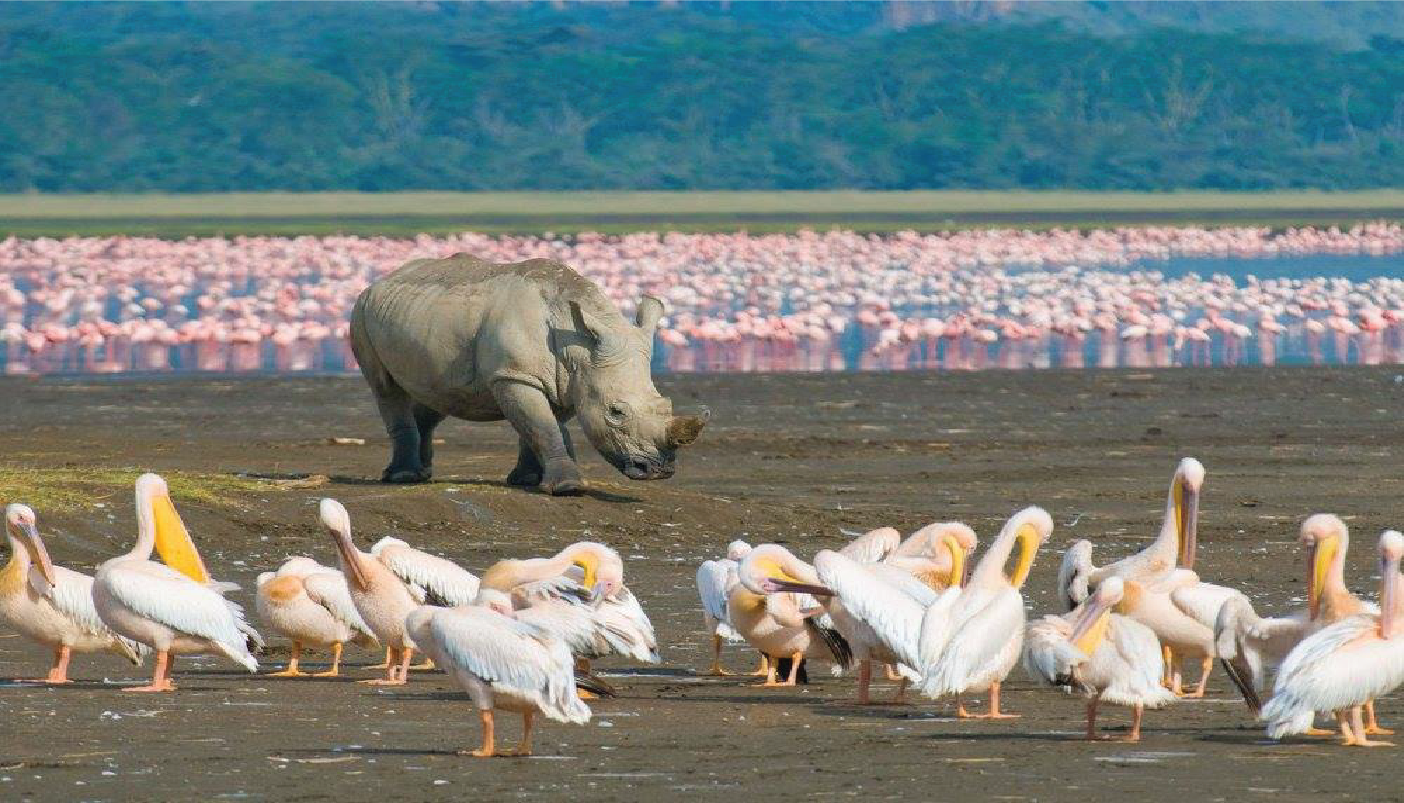
The rich flora around Lake Naivasha attracts a variety of animals that include buffalo, antelope, giraffe, warthog, and monkey, and you will almost certainly catch sight of hippos lazily watching proceedings from the cooling water.
Birdwatching is the most diverse activity here since lake Naivasha has more than 80 species, abundant Palearctic ducks most especially in November and February, the lake is famously known for its high density of African Fish Eagles nesting in the surrounding Acacia woodland and regionally threatened species including Podiceps cristatus, Oxyura maccoa, Anhinga rufa, Casmerodius albus, Ephippiorhynchus senegalensis, Thalassornis leucocytes, Porzana pusilla, Rynchops flavirostris, and the Phalacrocorax carbo. Globally threatened species include the Grey-crested Helmeted-shrike, Basra Reed Warbler, Lesser Flamingo, along with large congregations of Red-knobbed Coot, African Spoonbill, and Little Grebe.
Best time to visit Lake Naivasha
Lake Naivasha is one of Kenya's most genuinely year-round destinations. Hippos are present and boatable in every month. Hell's Gate cycling works regardless of season — the gorge is actually more dramatic in light rain. Bird numbers are highest just after the rains when migrants arrive. The only consideration is lake level: in very high flood years, boat access can be restricted to specific areas. This is rare — occurring perhaps once every 5–7 years after exceptional long rains.
Attractions in Lake Naivasha
Lake Naivasha Safari
Regardless of the amount of time you have, Lake Naivasha will always bring a new experience to your life. See the tours you can enjoy with us.